
How can we support others when we do not yet understand what is happening within ourselves?
In Madagascar, the urgency of addressing young people’s mental health can no longer be overlooked. With an overstretched healthcare system — where there is less than one psychiatrist per million inhabitants — and repeated socio-economic crises, many young people are facing an invisible yet profound burden. Studies have shown that in some regions of the island, up to 82% of adolescents experience depressive symptoms, often compounded by cultural taboos and isolation.
In this context, the role of young leaders is more crucial than ever. Leadership is not simply about taking responsibility. It is about knowing how to navigate challenges, support others, and create an environment where people feel heard and valued. Every day, young leaders may have to manage conflicts, deal with pressure, make decisions, and respond to the emotional struggles of their peers. Without strong emotional intelligence, these situations can easily lead to misunderstanding, ineffective communication, or even burnout.
To carry others, you must first know how to carry yourself.
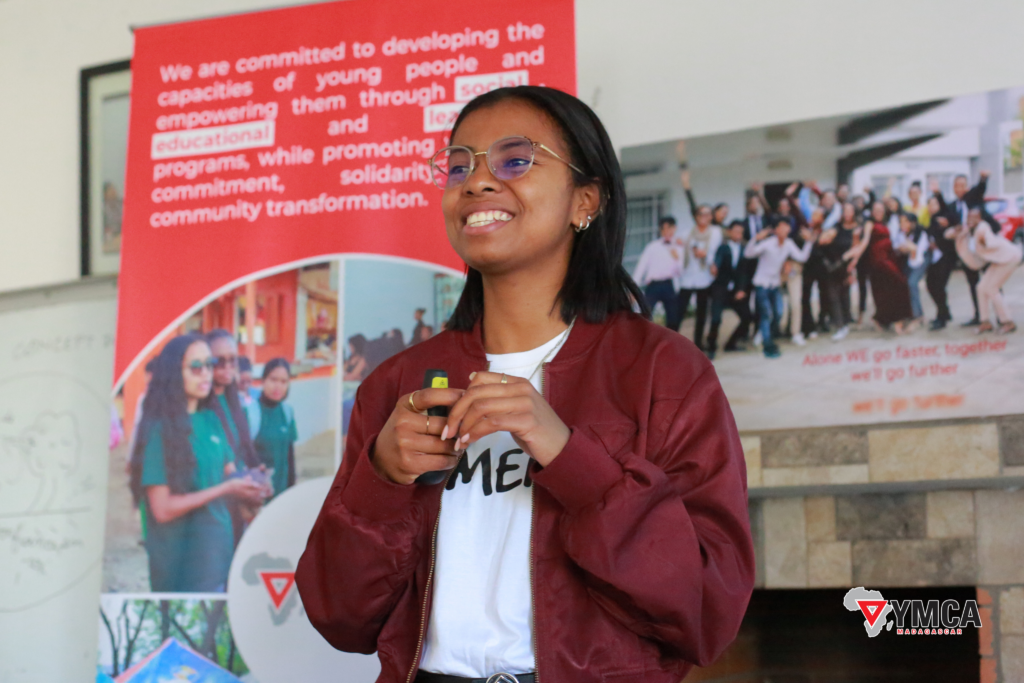
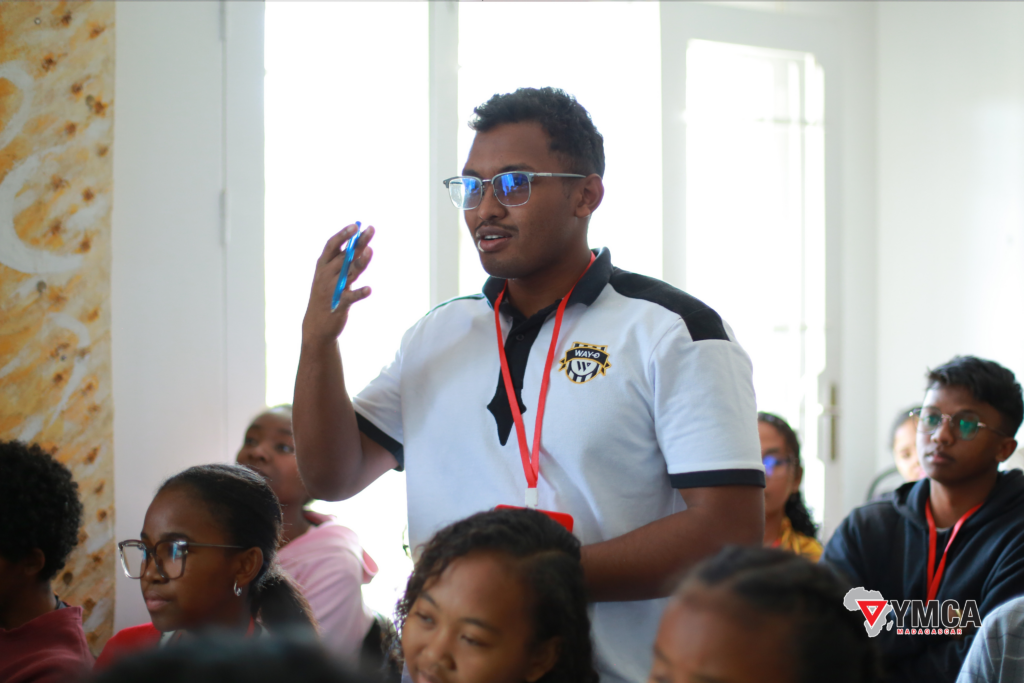
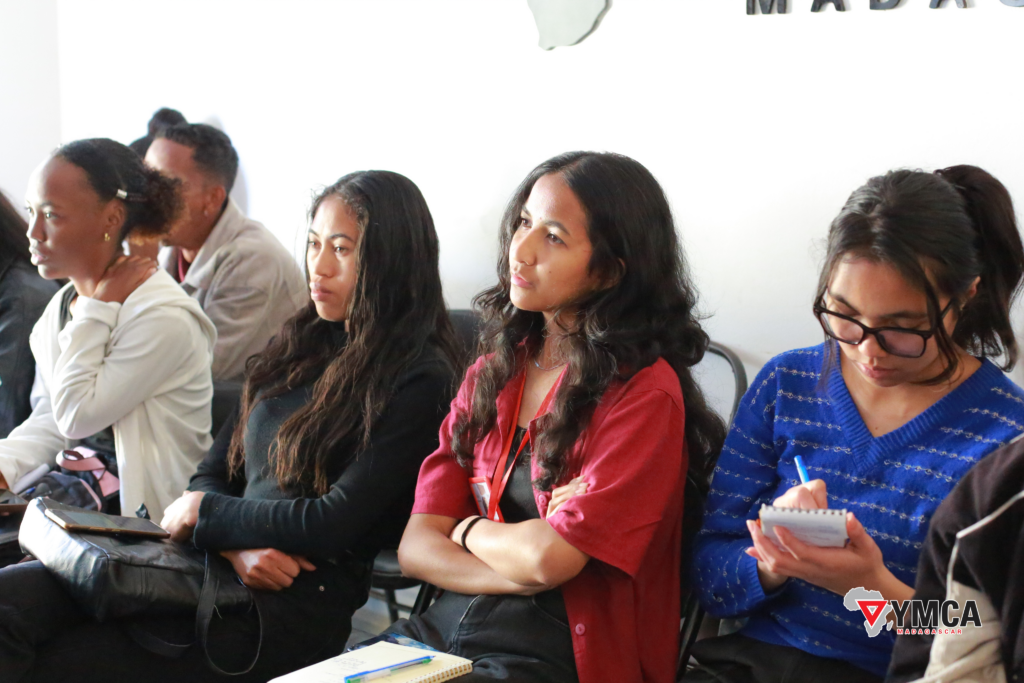
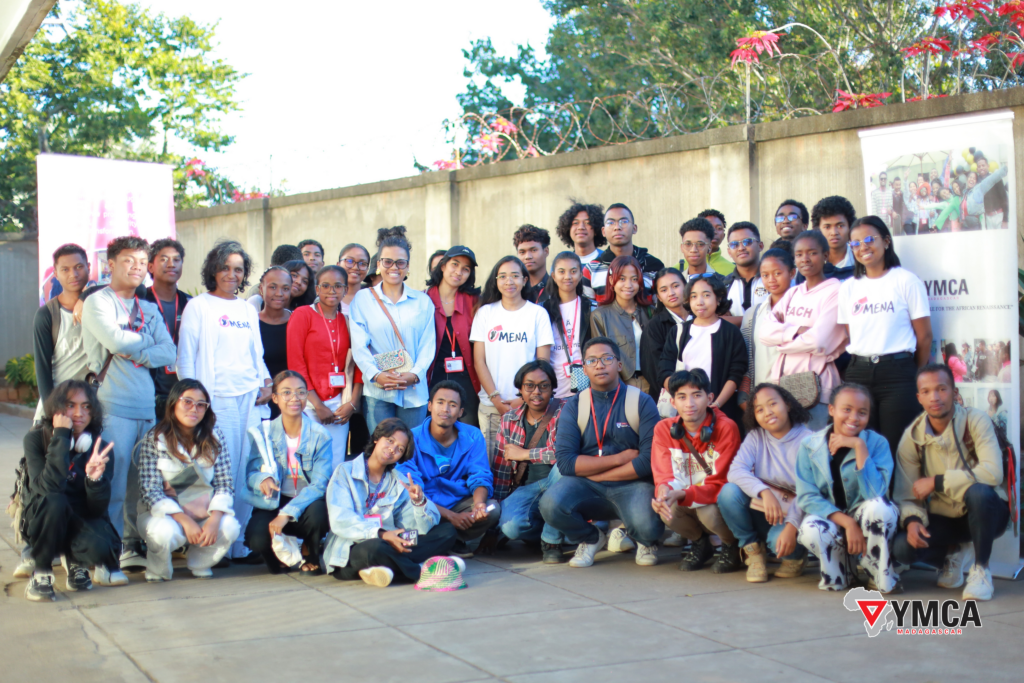
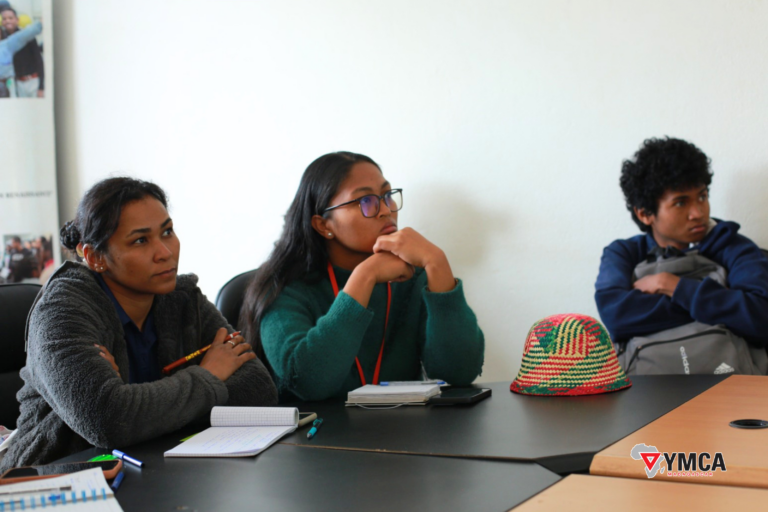
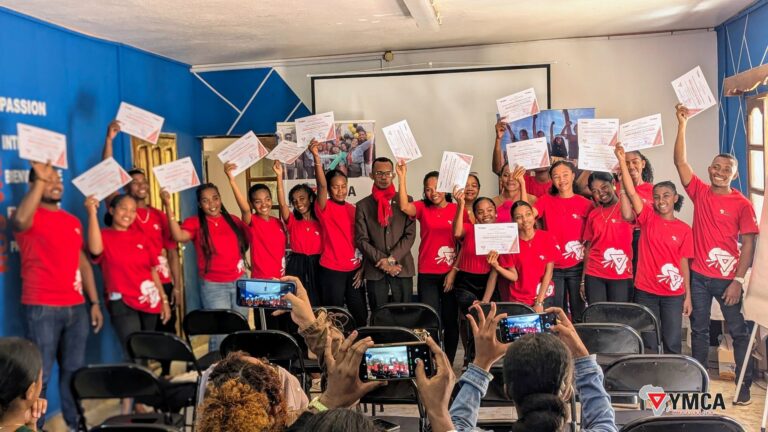
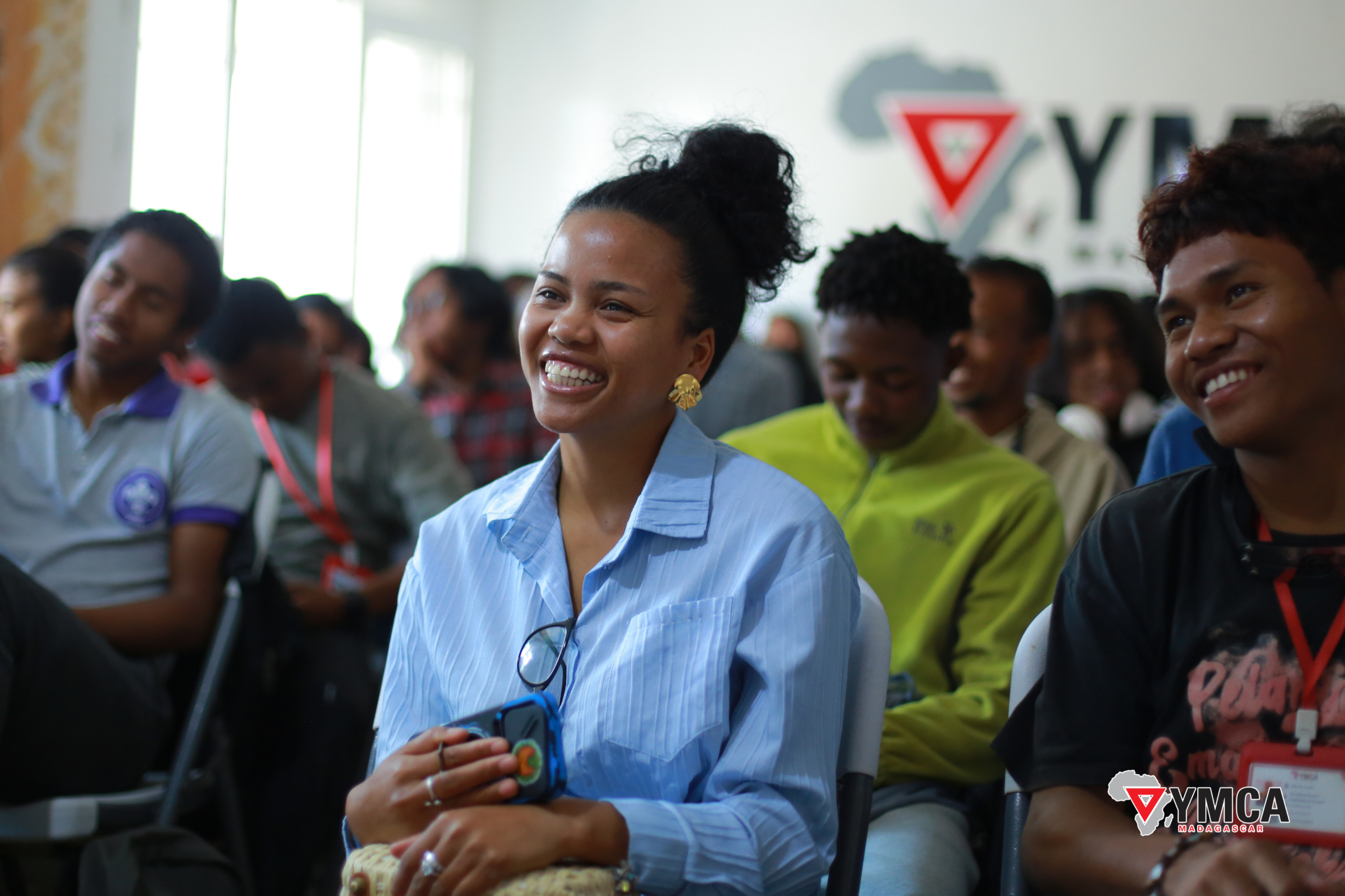
Emotional intelligence is therefore not a luxury. It helps them understand their emotions, respond to challenges more effectively, and build healthier relationships with those around them. The goal is not to stop feeling emotions, but to understand them so we can choose how to respond. It is in response to this need that our young Leaders in YMCA Madagascar took part in a training session led by OMENA Movement, deepening their understanding of mental health and strengthening their emotional intelligence. Beyond the concepts discussed, the session gave participants an opportunity to look inward, better understand themselves, and reflect on how they react, communicate, and connect with others. They explored practical tools to recognize and manage their emotions while developing more constructive ways of interacting with those around them.
But what does this look like in practice?
For a young Leader, emotional intelligence can mean:
- listening without judgment;
- reducing tensions before they become conflicts;
- communicating with greater empathy;
- recognizing when a fellow member may be going through a difficult time.
By becoming more aware of their own emotions and reactions, our young Leaders are better equipped to communicate, build trust, and navigate difficult situations — both within their clubs and in their everyday lives. When young Leaders become more self-aware, empathetic, and resilient, they are better positioned to create supportive spaces for others and contribute to the well-being of their clubs and communities.