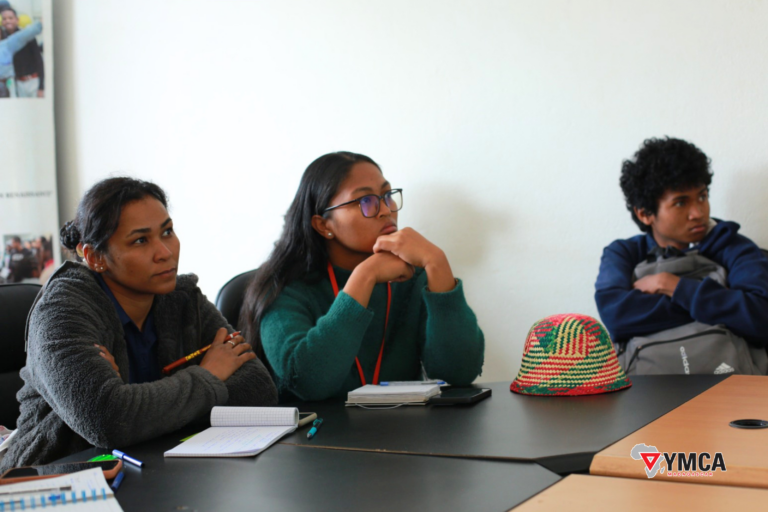
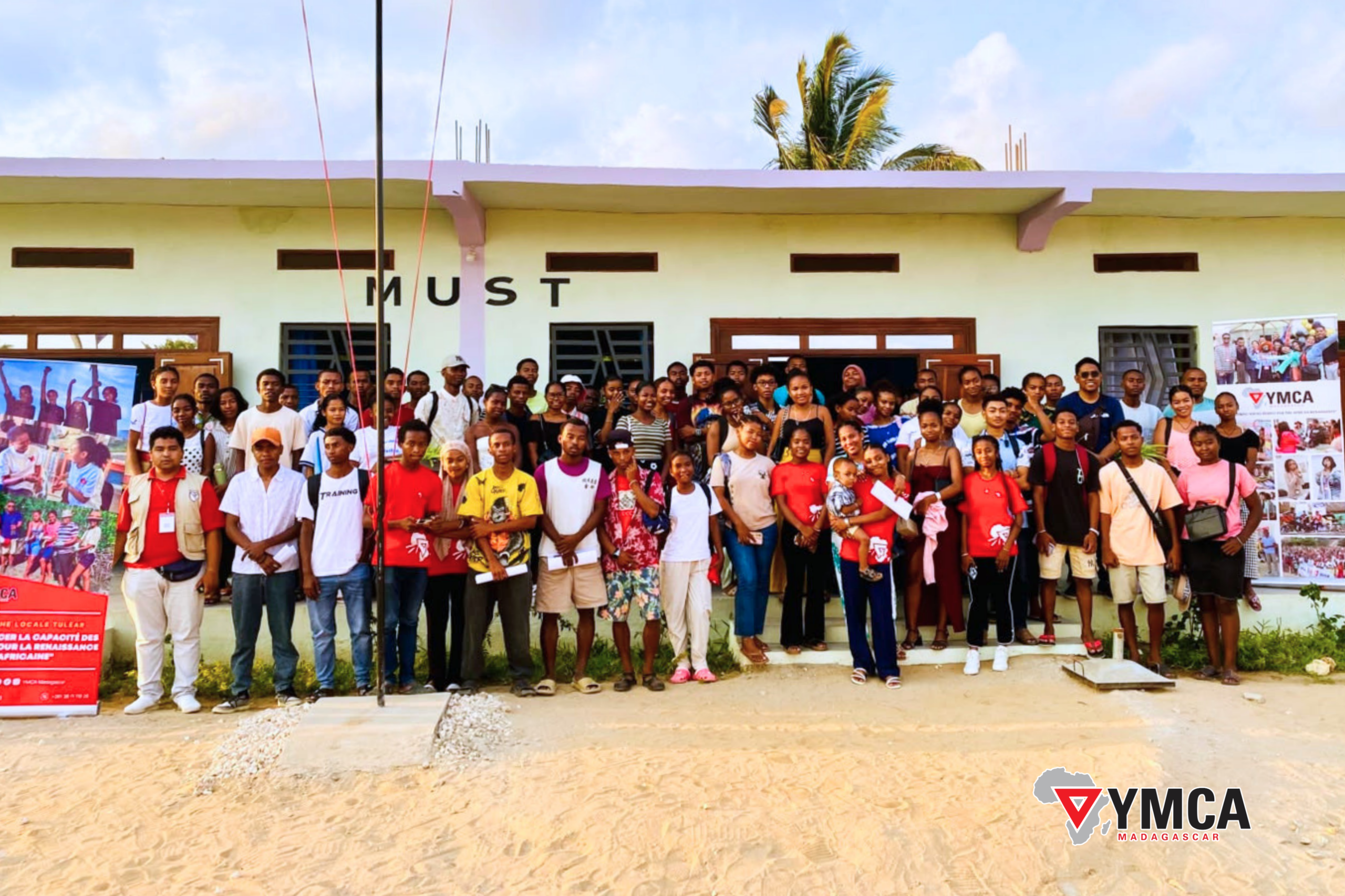

At the Madagascar University of Science and Technology (MUST), 74 students took part in a session focused on self-awareness, vision, and body language. The session was led by young ambassadors trained through the “From Subject to Citizen” (S2C) program, who put their skills into practice by sharing what they had learned with their peers.
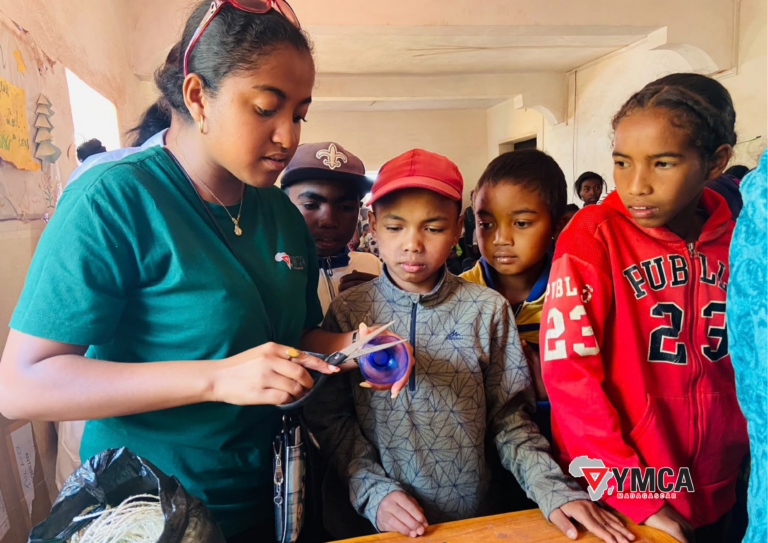
After their recent S2C training , our young ambassadors in Toliara took the initiative to organize and facilitate the session for other young people. This approach reflects one of the key aims of the S2C program: to equip young people with skills they can put into practice and share with others in their communities.
The session, held on October 21, brought together 74 students at MUST Toliara.
The session focused on three areas linked to personal development and youth leadership:
Self-awareness: helping young people better understand their strengths and areas for growth.
Vision: encouraging them to reflect on their goals and the future they want to build.
Body language: exploring how non-verbal communication can support clearer and more confident interactions.
The discussions also gave students an opportunity to raise questions connected to their own experiences : How can young people better understand themselves when they have not yet identified their strengths and weaknesses? What can they do when their vision changes or seems difficult to achieve? And how can body language help them better understand an interaction?
These discussions created space for participants to reflect on their personal journeys, aspirations, and ways of communicating with others.
Beyond the 74 participants, the initiative also highlighted the role of the young S2C ambassadors. By sharing what they had learned, they moved from being trained participants to youth facilitators and peer educators. This approach allows knowledge gained through the program to reach other young people and create a wider ripple of learning within the community.
This reflects the spirit of From Subject to Citizen: equipping young people to build their skills, take initiative, and become active contributors to their communities.
In Toliara, the training did not stop with those who received it. It started to be passed on.