
Although still largely underrecognized, asthma affects many young people. According to several studies, only 2.56% of adolescents with asthma have received a formal medical diagnosis. In many cases, symptoms are mistaken for simple fatigue or mild respiratory infections, which delays treatment and increases the risk of complications. Misconceptions about asthma are also still widespread. Some people continue to believe that asthma is contagious or that a person with asthma cannot practice sports. However, with proper medical follow-up, this condition can be controlled and should not prevent young people from carrying out their daily activities normally.
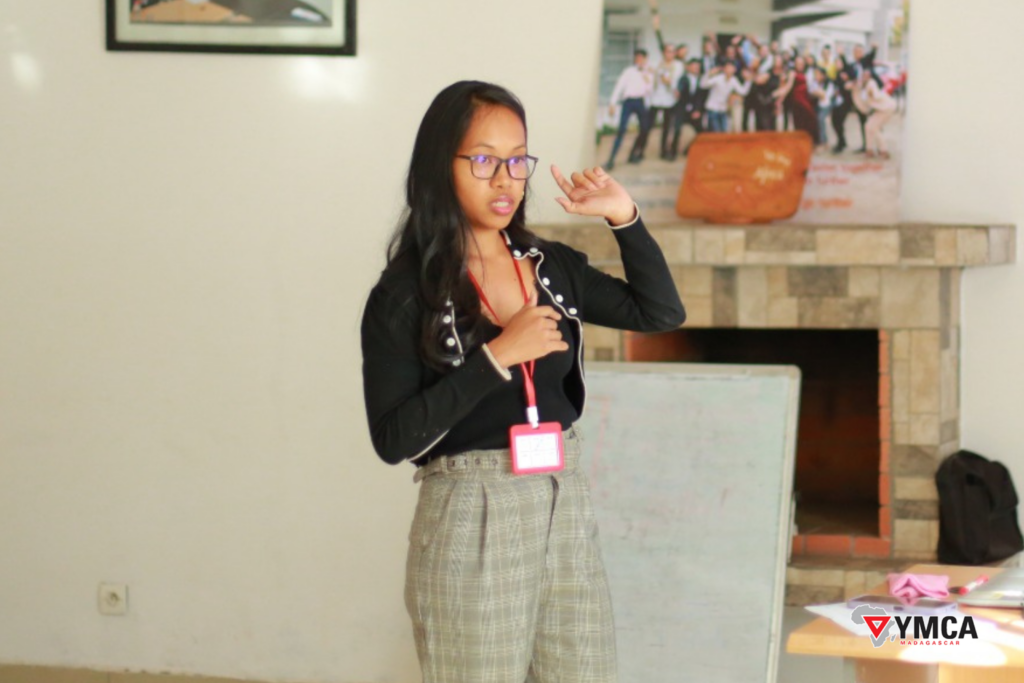
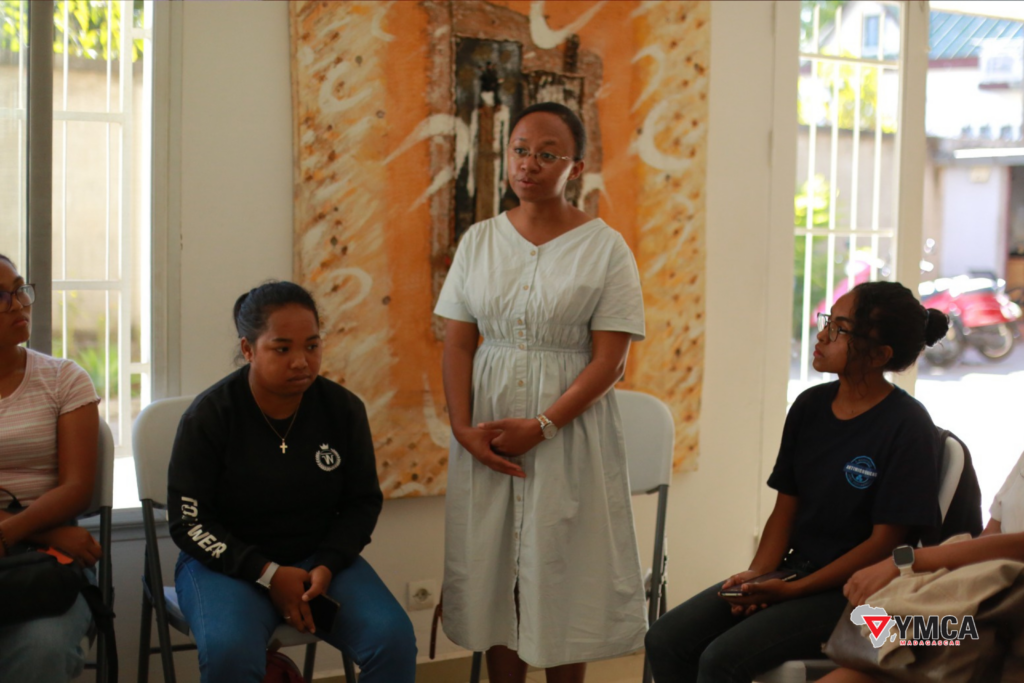
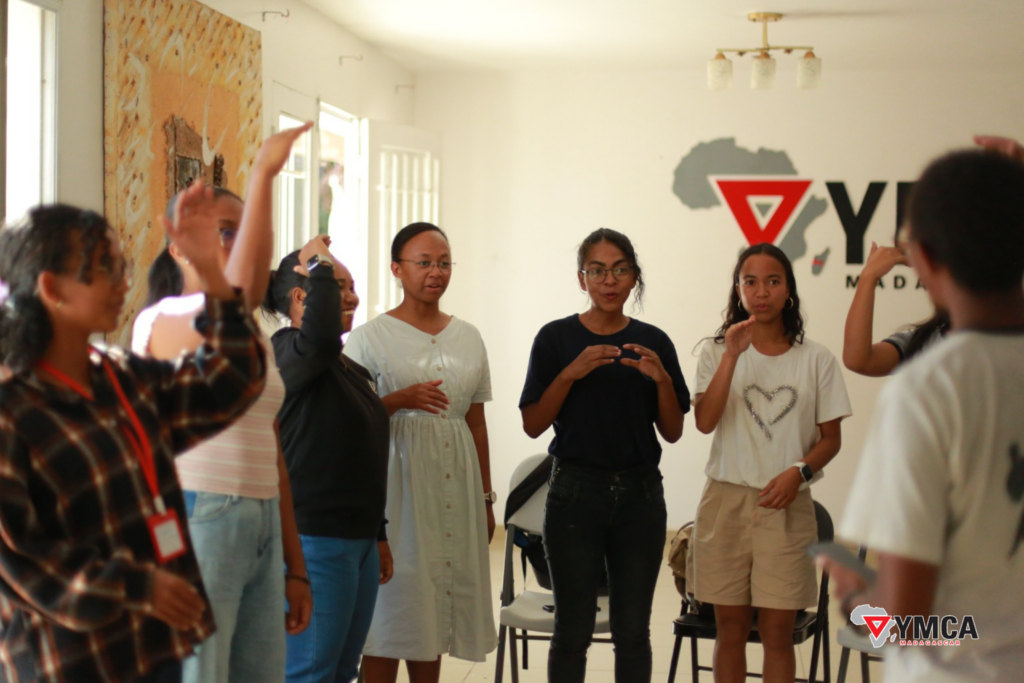
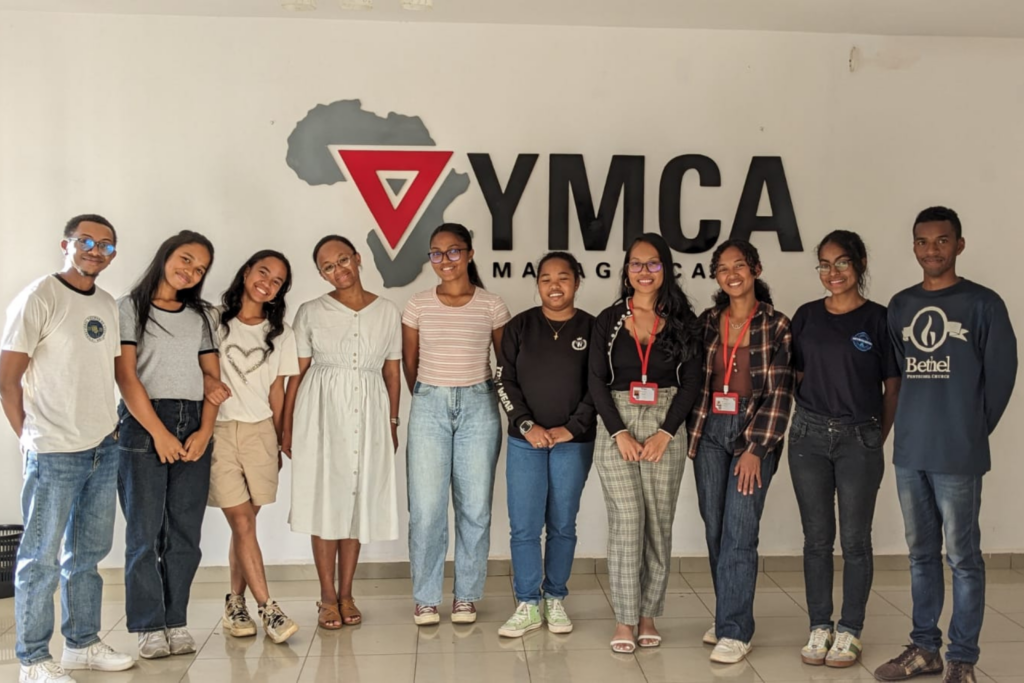
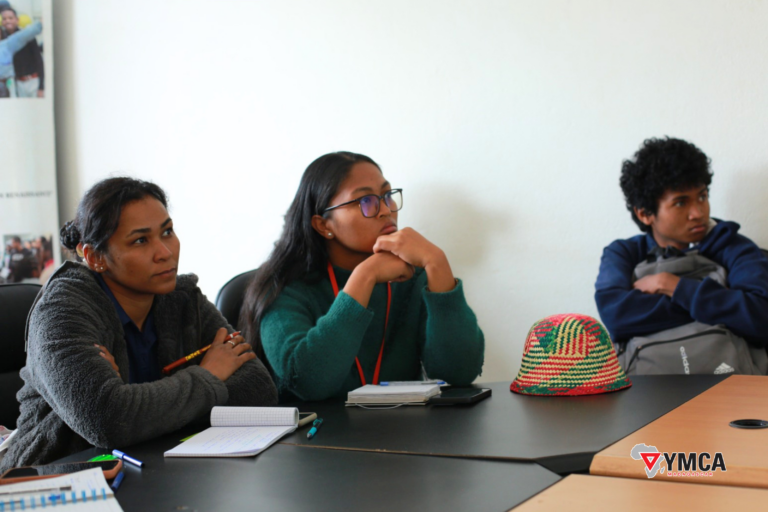
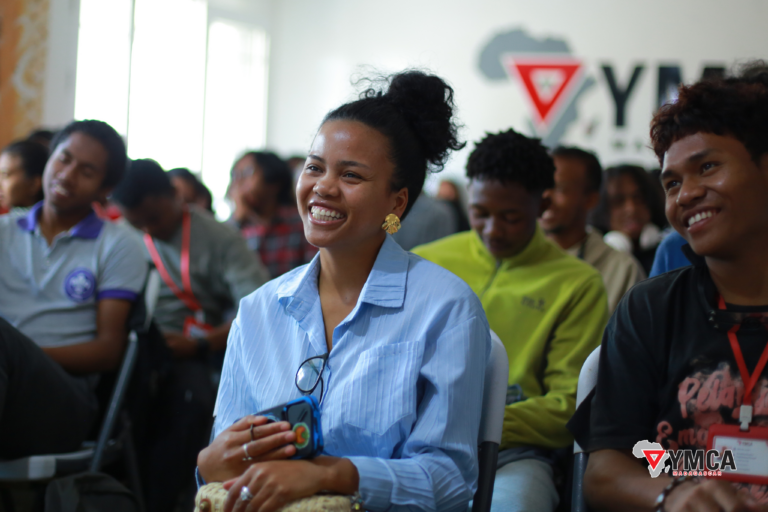
In response to this reality, Y-Health Club held an interactive workshop entitled “Let’s Talk About Asthma” on Saturday, May 9, 2026, at YPS Ankerana, led by Dr RAOELIJAONA Stella Liantsoa, State-certified medical doctor. This initiative reflects the organization’s commitment to promoting health as an essential driver of youth development and well-being.
Bringing together students and health professionals, the workshop aimed to improve understanding of asthma in order to encourage better prevention, better anticipation of asthma attacks, and more appropriate day-to-day management of the disease.
During the discussions, participants learned how to recognize the main signs of asthma, including persistent coughing, wheezing, chest tightness, and breathing difficulties. The most severe cases were also discussed, particularly when a person experiences bluish lips, severe breathing difficulties, or loss of consciousness.
Participants were trained on the essential actions to take during an asthma attack. This session enabled them to acquire practical and actionable skills, allowing them to respond effectively in emergency situations:
- Maintain calm and provide reassurance to the affected person
- Assist the person in adopting a comfortable, upright position
- Loosen any tight clothing to facilitate breathing
- Administer a bronchodilator correctly, such as salbutamol
- Guide the person towards slow and controlled breathing
By strengthening young people’s knowledge and reflexes, this initiative gradually contributes to creating a more attentive and inclusive environment for people living with asthma. In a context where chronic diseases are still surrounded by misunderstanding, this type of action helps transform information into the ability to act within communities.